Want to be the next UNICORN,
become a STORYTELLER.
Or hire SlydS because we have created pitch decks that have closed millions in investments for leading startups and billion-dollar unicorns.
Time is nigh!
How venture debt is becoming the next big thing for startups.
VCs are pulling back. Founders are staying scrappy. And capital is getting creative.
Venture debt is no longer a backup plan. It’s becoming a go-to strategy.
- In 2017, India’s venture debt market was just $60M
- In 2023, it crossed $1.2 BILLION
- Its share jumped from 0.5% to 11%
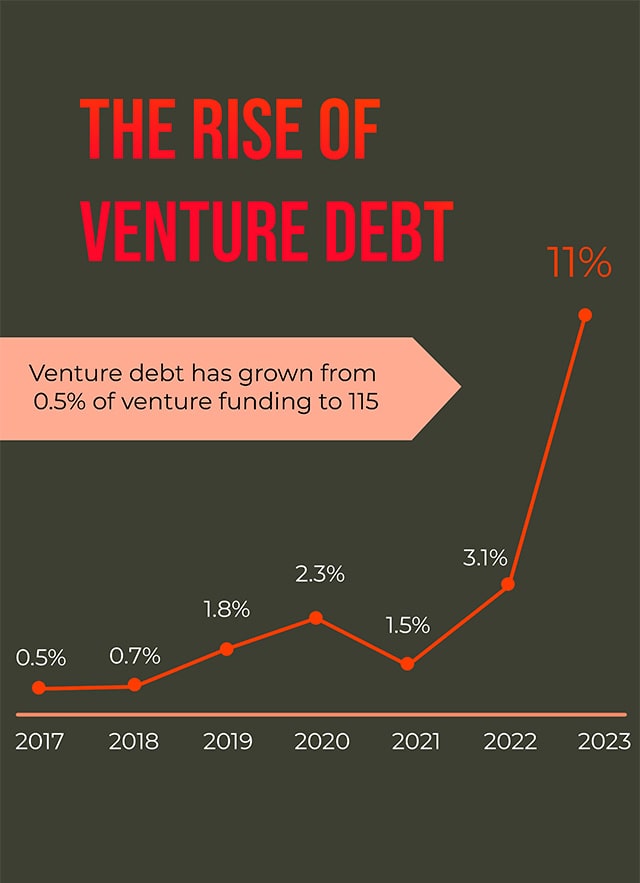
Because equity is expensive. And dilution hurts. Founders are stuck in longer fundraising cycles. VCs are tightening terms. Valuations are dropping.
- to extend runway
- to hit the next milestone
- to survive the dry season
That’s where venture debt steps in. No board seats. No loss of control. Just non-dilutive capital to buy time and build. And the smartest founders? They’re using it as a strategic tool, not a last resort.
But here’s the catch:
Not every startup qualifies. You still need strong investors. A solid burn plan. And clear visibility on future raises or revenue.
High-Capex, revenue-predictable sectors like:
- Defence
- Clean energy
- Advanced manufacturing
These industries have long sales cycles, large upfront costs, but strong long-term revenues. Venture debt gives them breathing room to scale…
…without giving up ownership.
--
Data taken from The Indus Valley Report by Blume Ventures
Or hire SlydS because we have created pitch decks that have closed millions in investments for leading startups and billion-dollar unicorns.
Time is nigh!